Personal protective equipment (PPE) helps keep workers safe in a variety of environments. PPE is divided into three categories, based on the risks it is designed to address. This guide focuses on Category II PPE, what it is, common examples and how it is used at work.
Category I, II and III PPE
- Category I: Provides basic protection against minor hazards and injuries. Examples include gardening gloves and sunglasses.
- Category II: Covers risks outside the lists for Categories I and III in Annex I of Regulation (EU) 2016/425. This equipment must be certified and meet the relevant standards.
- Category III: Protects against serious or fatal hazards. Examples include safety harnesses, fall arrest systems and self-contained breathing apparatus. The law requires specific training in their correct use.
Examples of Category II PPE
The category depends on the specific risks the equipment is designed to address. It is widely used across industry and commerce and must be certified against the applicable technical standards.
Safety helmets
Safety helmets protect the head from blows, impacts and falling objects. Some models are also tested for electrical insulation, an application that falls under Category III. Helmets are essential on construction sites and anywhere there is a risk of head injury or falling objects. EN 397 sets requirements covering impact resistance, penetration protection and lateral stability.
Protective gloves
Protective gloves shield the hands from cuts, abrasions, chemicals and heat. They are used in settings ranging from mechanical work to the chemical industry. Applicable standards include EN 388 for mechanical protection and EN 374 for chemical protection. Materials include leather, rubber and synthetics, depending on the protection needed.
Safety eyewear
Safety eyewear protects the eyes from flying particles, dust, chemical splashes and radiation. It is important in welding, woodworking and chemical handling. EN 166 covers impact resistance, splash protection and optical radiation filtering. Some models feature interchangeable lenses or adjustable fittings.
Safety footwear
Safety footwear protects against impact, puncture and compression. It is widely used in construction, logistics and manufacturing. EN ISO 20345 sets requirements for impact resistance up to 200 joules, sole penetration protection and slip resistance. Some footwear also provides resistance to heat or chemicals.
High-visibility clothing
High-visibility clothing helps workers stand out, reducing the risk of incidents involving moving vehicles or machinery. It is especially useful on roadworks and in ports. EN ISO 20471 specifies visibility in low light and resistance to washing. Common features include reflective materials and fluorescent yellow or orange fabric.
The WorkAir wearable airbag
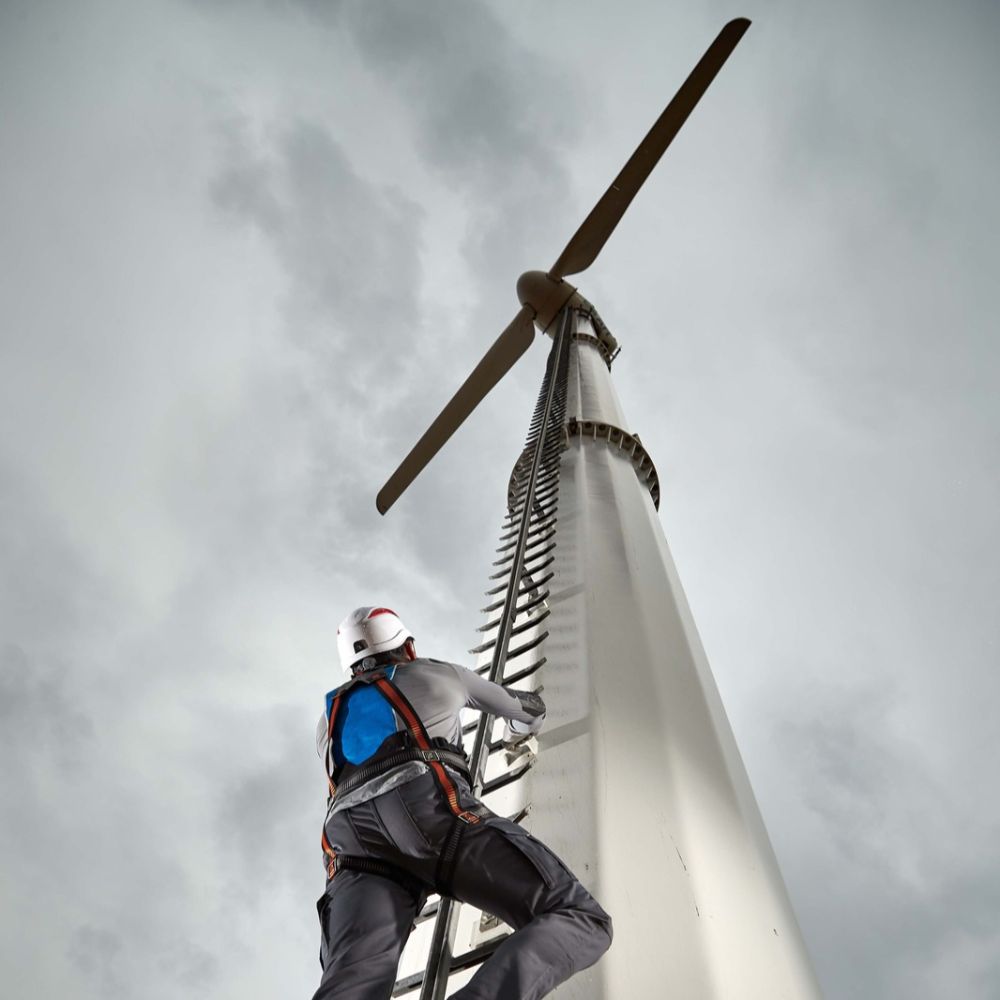
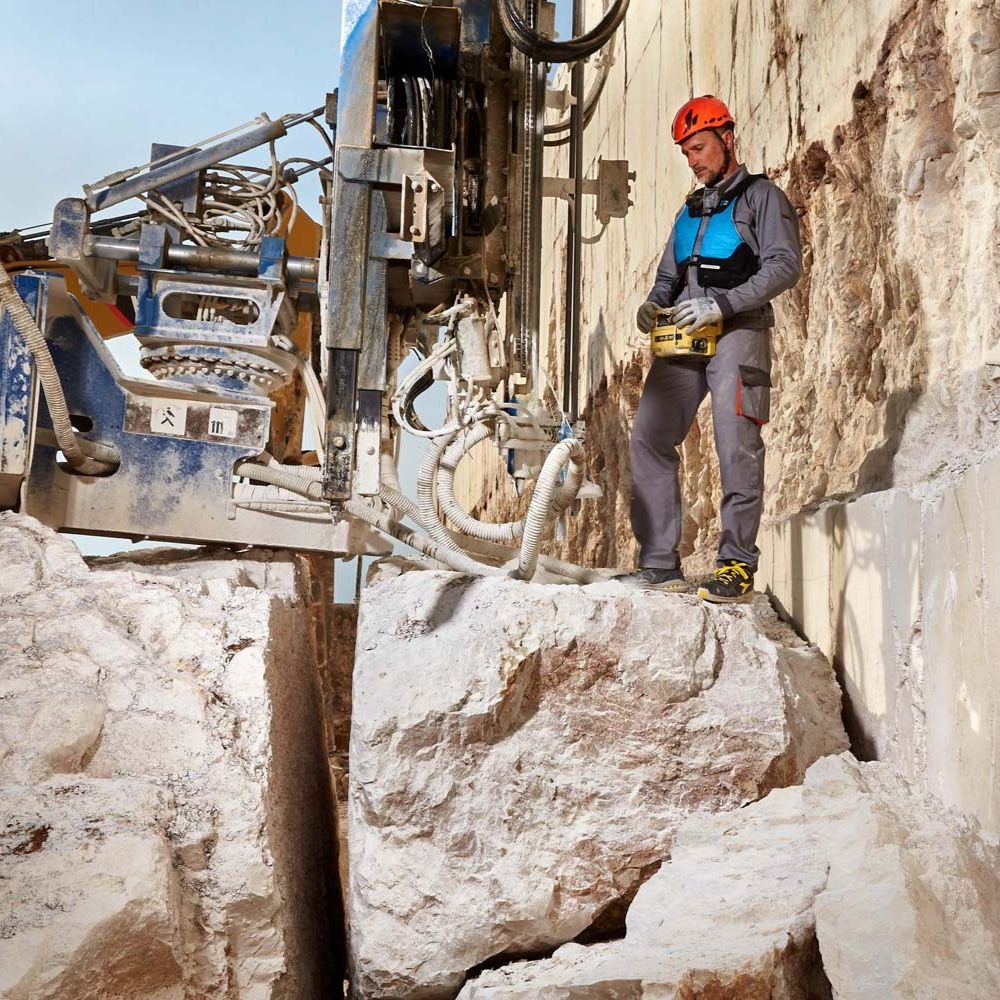
WorkAir, made by D-Air Lab, is a wearable airbag certified as Category II PPE. It adds impact protection in the event of a fall, with applications in industrial maintenance, logistics and construction. The airbag inflates in 40 milliseconds after a fall is detected, cushioning impacts to the torso. Use the fall-prevention or fall-arrest equipment required for the task.
Choosing suitable Category II PPE helps protect workers and supports a safer, more efficient workplace. WorkAir is one example of how technology can improve protection. Learn more on the WorkAir website.